Unveiling the Hidden Power of Mycorrhizal Associations: Boosting Plant Health, Nutrient Uptake, and Stress Tolerance
Mycorrhizal associations refer to the mutually beneficial relationships between certain fungi and plant roots. The fungi form a symbiotic relationship with the plant roots, providing various benefits to the plants. Here are some of the benefits of mycorrhizal associations to plants:
1. Increased nutrient uptake
Mycorrhizal fungi have a unique ability to explore the soil and access nutrients that are otherwise difficult for plants to obtain. They can extract nutrients such as phosphorus, nitrogen, potassium, and micronutrients from the soil, making them more available for plant uptake. This enhanced nutrient uptake can improve plant growth, development, and overall health.
2. Enhanced water absorption
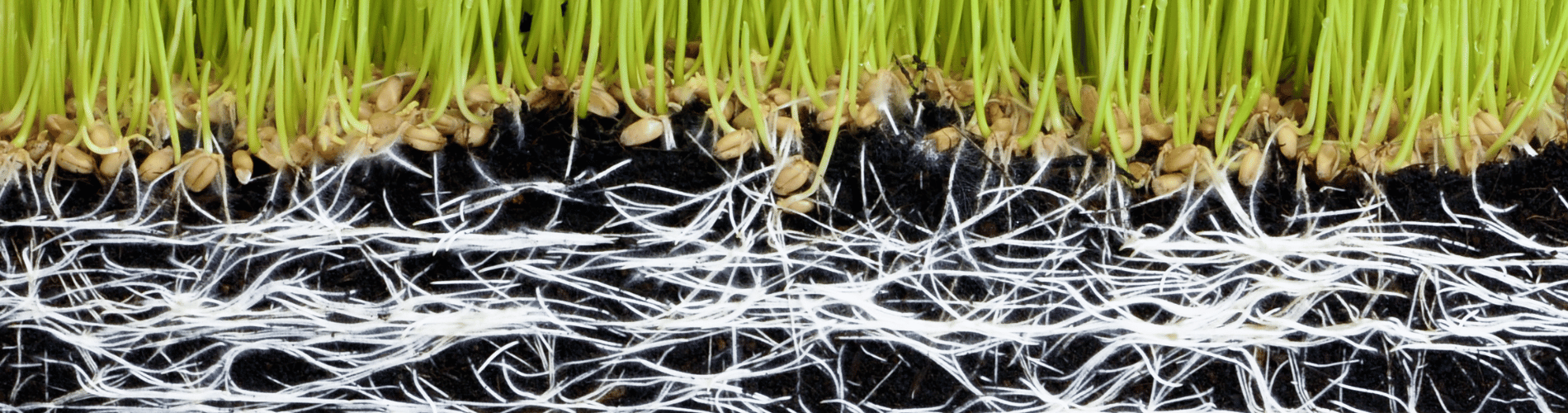
Mycorrhizal fungi form an extensive network of fine filaments called hyphae, which can extend further into the soil than plant roots alone. These hyphae have a high surface area and can effectively absorb water from the soil, increasing the water uptake capacity of plants. This is particularly beneficial in drought conditions, as mycorrhizal associations can help plants withstand water stress.
3. Improved soil structure
The growth of mycorrhizal hyphae in the soil helps to create and stabilize soil aggregates, resulting in improved soil structure. This can enhance soil aeration, drainage, and water-holding capacity, benefiting the overall soil health. Better soil structure also promotes root growth and penetration, allowing plants to access more nutrients and water.
4. Disease resistance
Mycorrhizal associations can enhance the plant’s defence mechanisms against various soil-borne pathogens. The fungi form a protective barrier around the plant roots, preventing the entry of harmful organisms. They can also produce enzymes and chemicals that suppress the growth of pathogenic microorganisms, thereby reducing the risk of diseases.
5. Stress tolerance
Mycorrhizal fungi can help plants cope with various environmental stresses. They improve the plant’s ability to tolerate conditions such as high salinity, heavy metals, and extreme pH levels in the soil. Mycorrhizal associations can enhance plant resilience and survival in challenging environments.
6. Establishment of new plantings
When establishing new plants, particularly in disturbed or degraded soils, mycorrhizal associations can significantly aid in their establishment and early growth. The fungi can help plants overcome nutrient deficiencies and promote root development, ensuring a successful transition and establishment in the new environment.
Conclusion
Overall, mycorrhizal associations provide numerous benefits to plants, including increased nutrient uptake, improved water absorption, enhanced soil structure, disease resistance, stress tolerance, and improved establishment. These symbiotic relationships play a vital role in promoting plant growth, productivity, and ecosystem functioning.
For information and advice call our friendly team on 01553 886393 or send us a message online.

Martin Noble is Director of Croptek Bio, part of the Croptek Group of companies.
He has over 40 years experience in the fertiliser industry.